
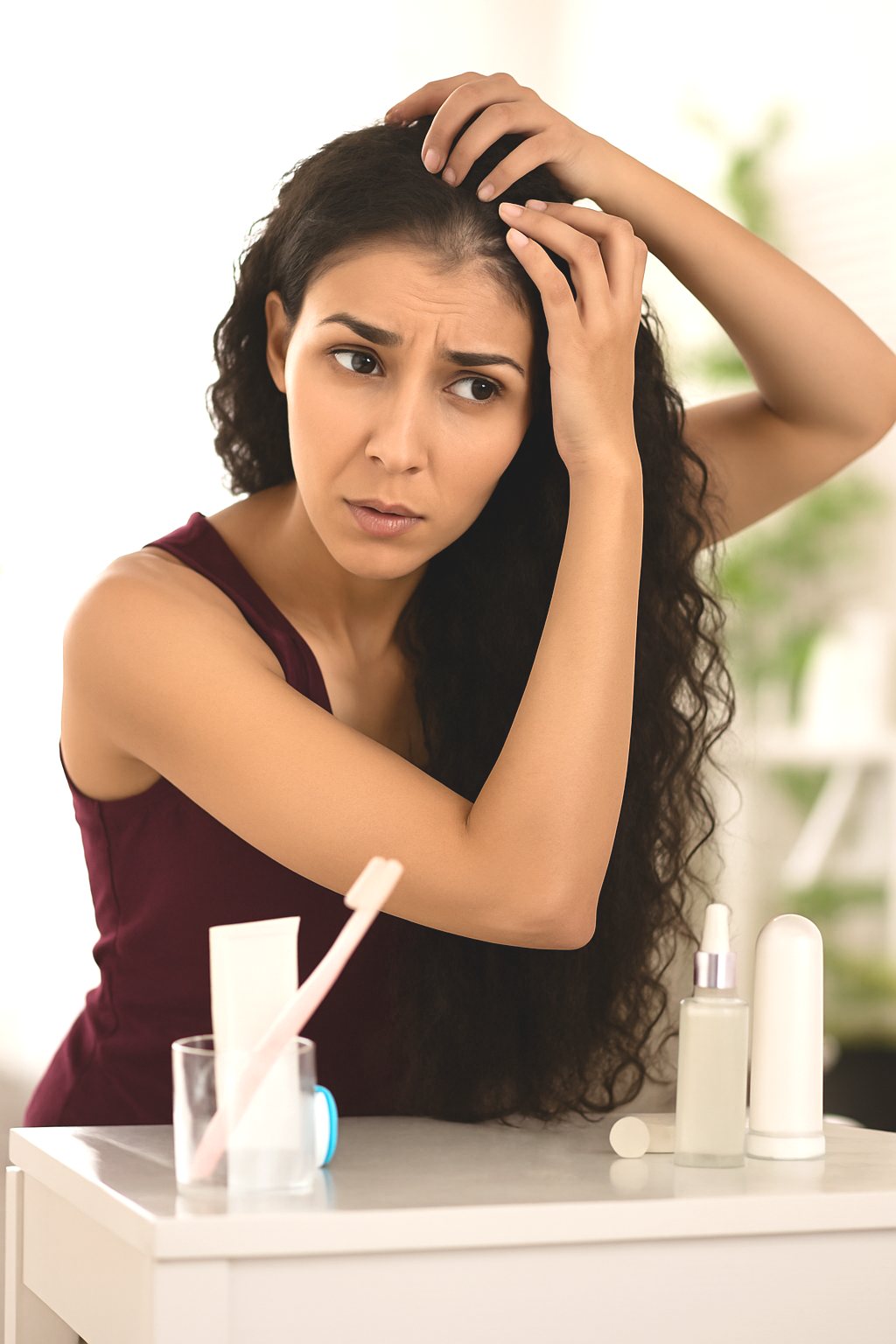
Female pattern hair loss (androgenetic alopecia) is the most common cause of hair thinning in women.
It can begin at any age and often shows as a widening parting, thinning at the crown, reduced density or increased shedding.
Whether you're noticing subtle changes or more visible thinning, understanding the cause of hair loss is the first step to getting the right treatment.
Understanding Female Pattern Hair loss
What Is Female Pattern
Hair loss?
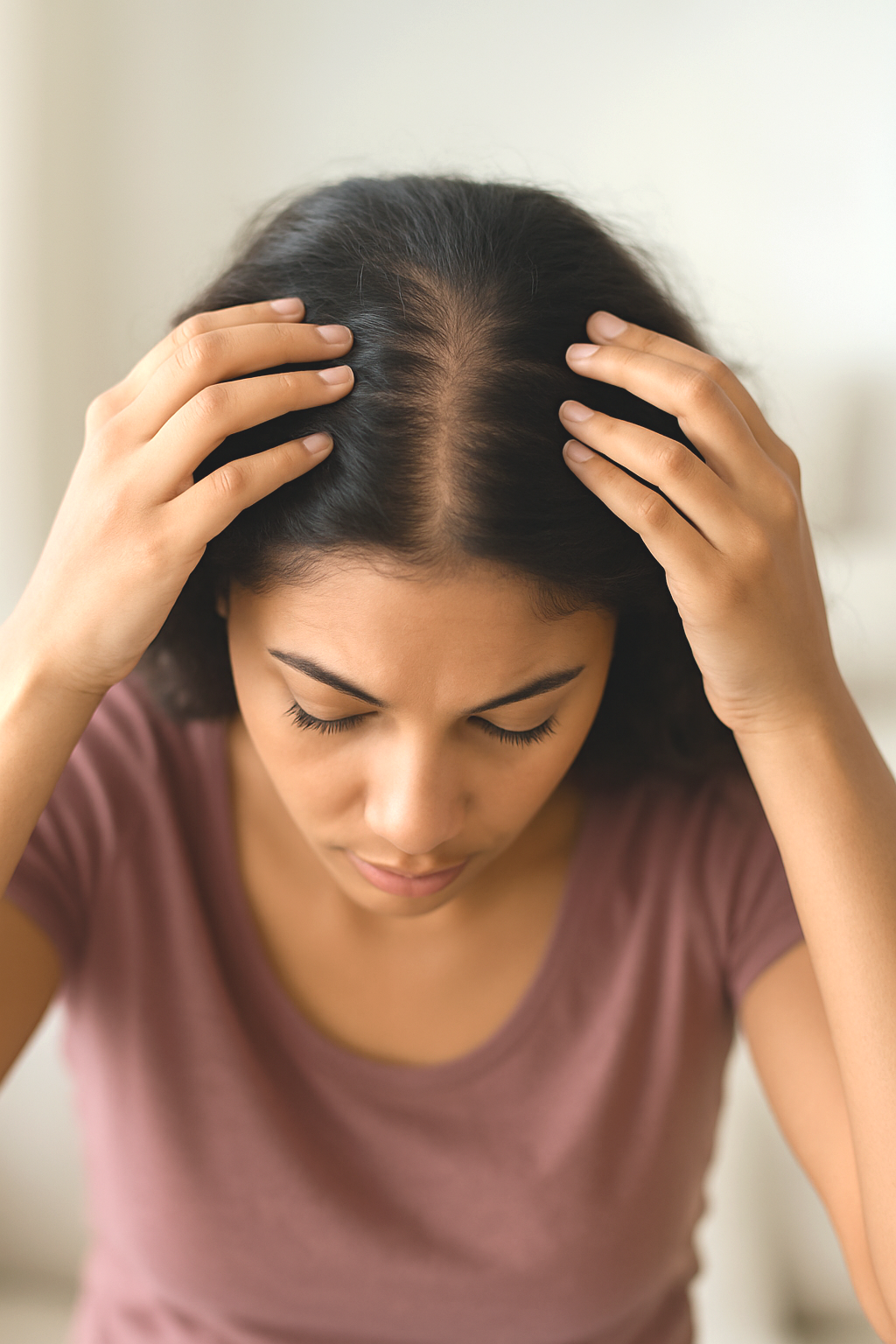
Female pattern hair loss occurs when hair follicles become increasingly sensitive to hormonal fluctuations, genetics, and ageing.
As these factors influence the follicle, the growth cycle shortens, and the hair produced becomes progressively finer.
Typical signs include:
Wider partings
Reduced volume
More visible scalp under bright light
Without treatment, thinning can gradually worsen, but early intervention can significantly improve long-term results.
Identifying Your Stage
with the Ludwig Scale
The Ludwig Scale is used to define the stages of female pattern hair loss:
Stages I–II: Early signs with mild widening of the parting
Stage III: Noticeable thinning across the top of the scalp
Advanced Stage: Visible scalp throughout the parting and crown
Understanding your stage helps us determine the best treatment combination for your goals and scalp condition.
Book your consultation today to discover the right treatment for your hair loss.

Other Types of
Hair Loss in Women
Other female hair loss conditions may present with sudden or patchy thinning, including:
Alopecia Areata
Autoimmune condition causing circular bald patches.
Traction Alopecia
Hair loss caused by tight hairstyles, extensions or repeated tension.
Telogen Effluvium
A stress-related condition leading to sudden, diffuse shedding.
Thyroid & Hormonal Disorders
Imbalances affecting the hair growth cycle, often seen in menopause, postpartum changes, PCOS and thyroid disease.
Scalp Conditions
Psoriasis, dermatitis and fungal infections can also contribute to shedding.
Our hair loss specialists can help determine the exact type of hair loss you’re experiencing.
What Causes
Female Hair Loss?
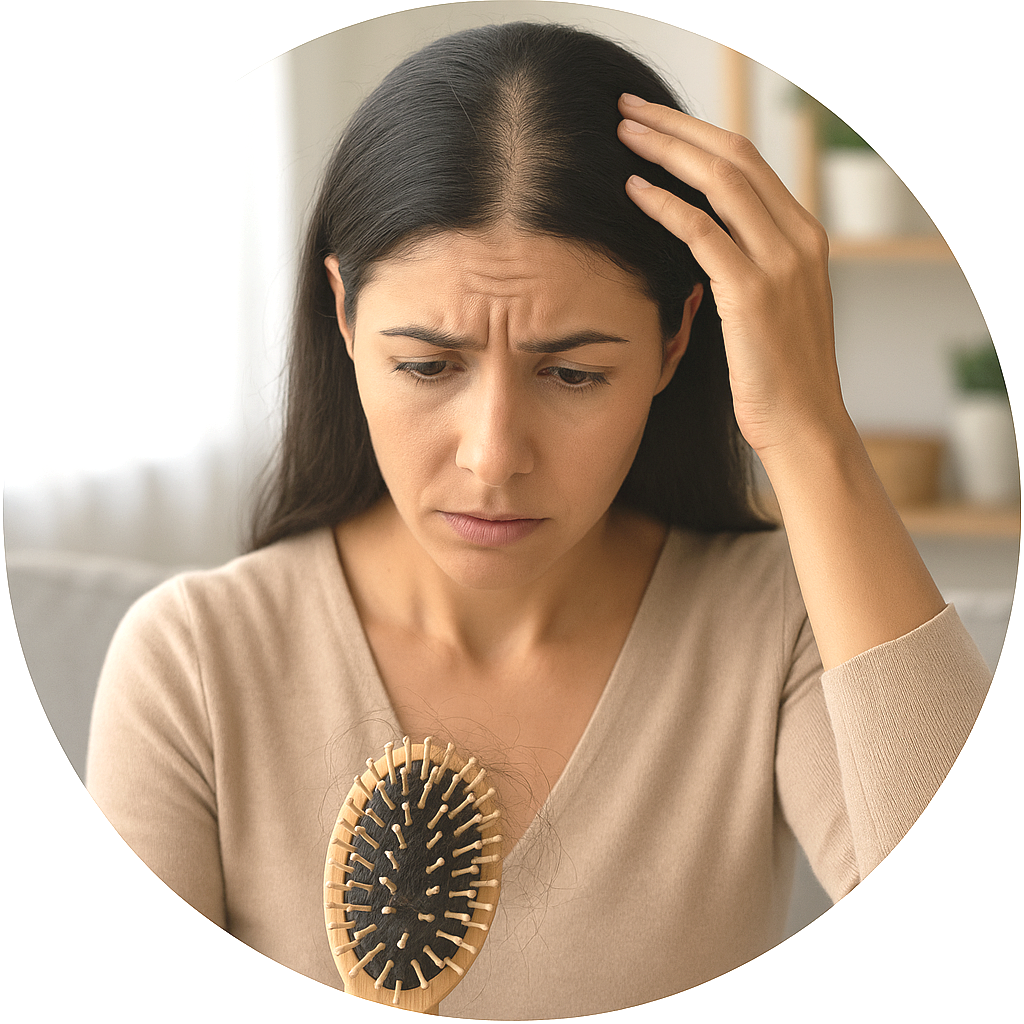
TThe most common causes include:
Hereditary genetic factors
Hormonal fluctuations (menopause, postpartum, thyroid, PCOS)
Reduced scalp blood flow
Follicle miniaturisation
Stress and lifestyle influences
Nutritional deficiencies
Age-related changes
Female hair loss differs from male hair loss because it typically presents as diffused thinning rather than receding hairlines or bald patches, and is often more strongly influenced by hormonal changes.
Our Treatments
for Female Hair Loss
At Infinity Hair Loss Clinic, we specialise in non-surgical, results-focused treatments to support regrowth and improve scalp health.

PRP (Platelet-Rich Plasma) Therapy
PRP contains concentrated growth factors derived from your own blood. Injected into the scalp, PRP helps stimulate weakened follicles, reduce shedding, and improve thickness.

Scalp
Microneedling
Microneedling induces controlled micro-injuries that trigger collagen production and enhance blood flow. It also boosts the absorption of serums or PRP into deeper layers of the scalp.
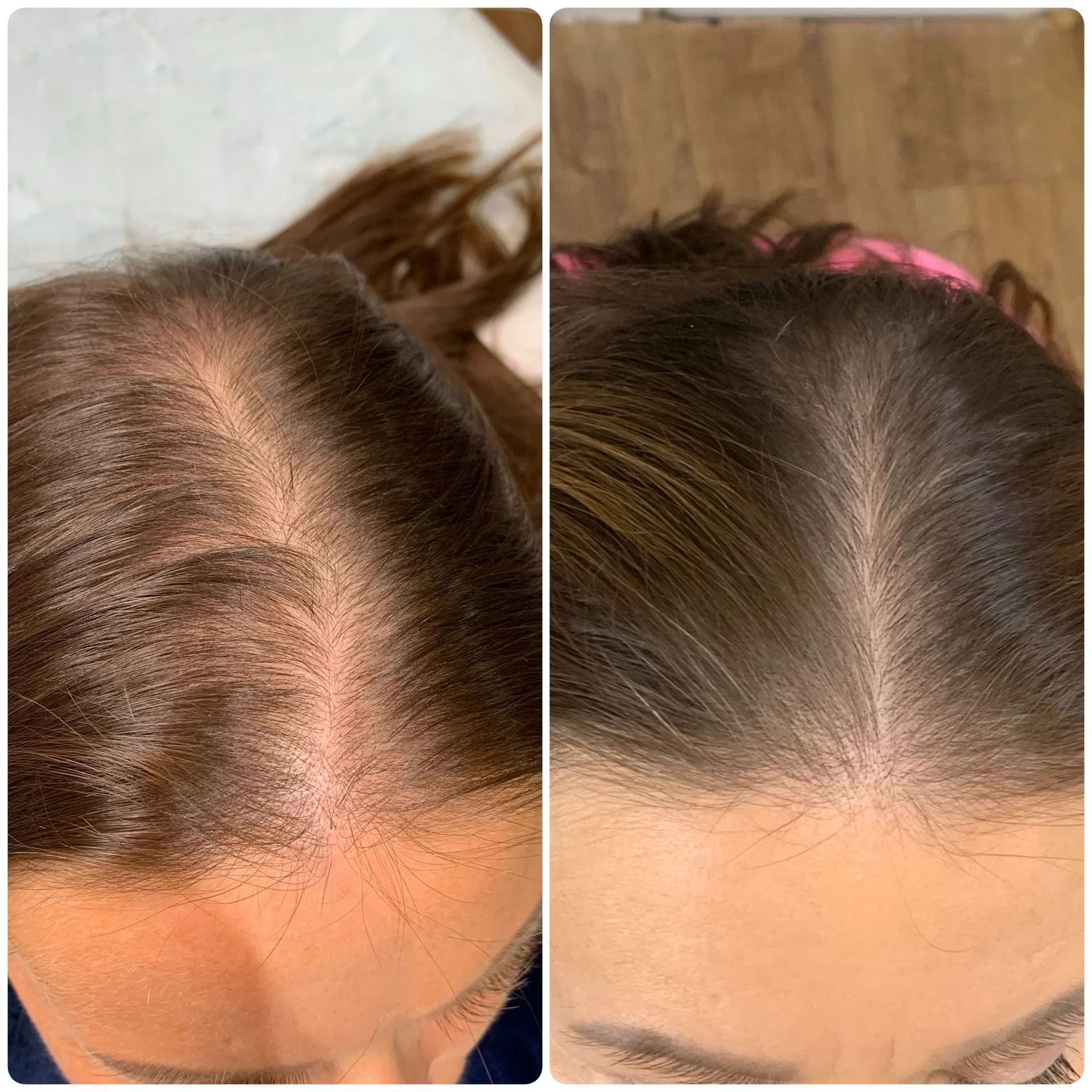
Advanced Hair Filler Treatments
A peptide-based injectable that delivers essential nutrients directly into the scalp, supporting stronger, healthier follicles and improving density.
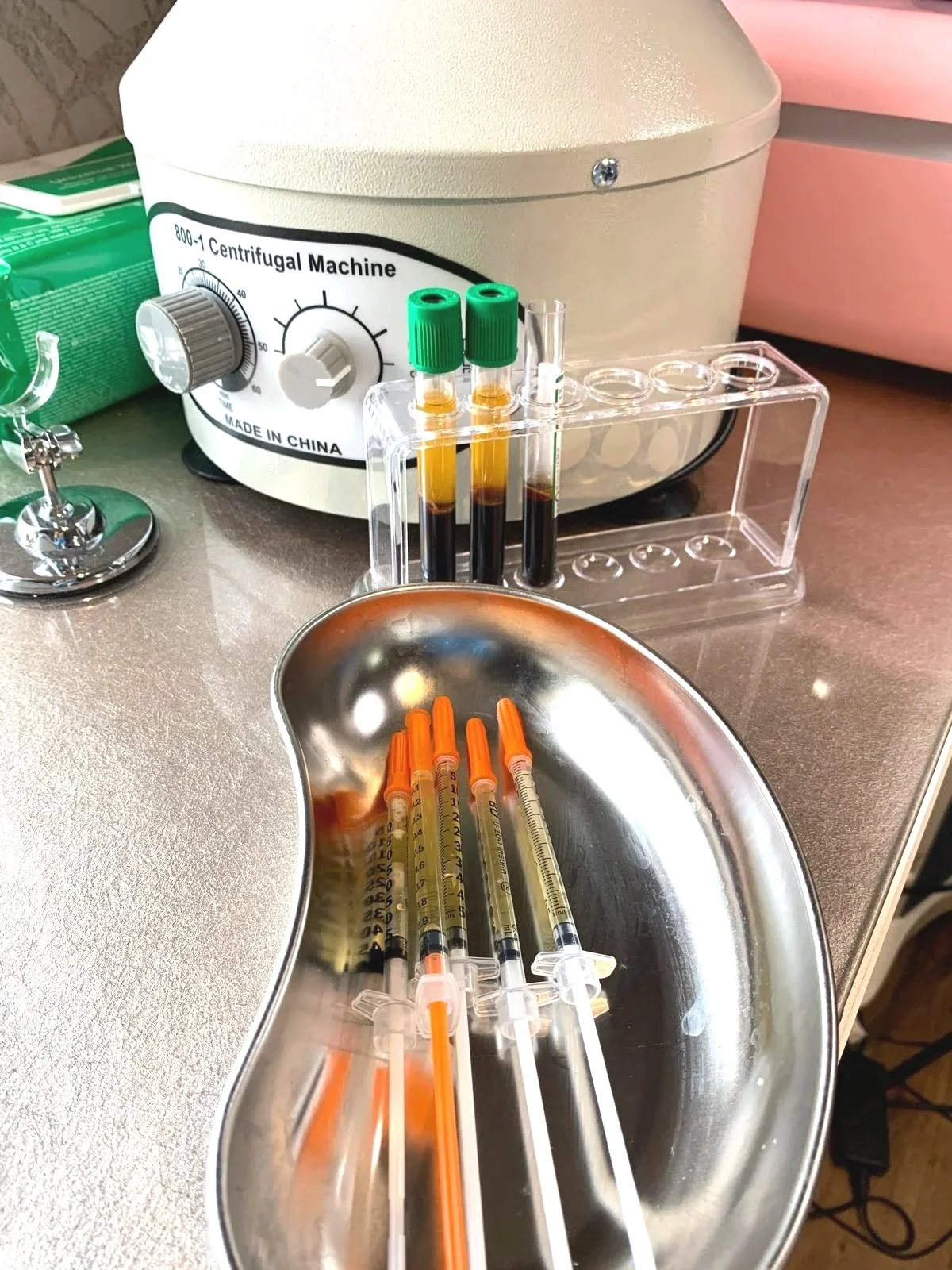
Combining Treatments
Combining microneedling with PRP or active growth serums maximises results by improving penetration and stimulating follicular activity.
Book your consultation today to discover the right treatment for your hair loss.
-
Female pattern hair loss (androgenetic alopecia) is a hereditary condition where hair follicles gradually become smaller over time. As the follicles miniaturise, the hair grows back finer, shorter, and less dense. This typically causes a widening parting, thinning at the crown, and an overall reduction in volume.
-
While there is no permanent cure for female pattern hair loss, it can be slowed, stabilised, and improved with the correct treatment plan. Early intervention produces the best results, as follicles respond more effectively before significant miniaturisation occurs. Consistency and a tailored approach are key.
-
Most clients begin to notice reduced shedding and early improvements in scalp health within 8–12 weeks. Visible increases in density and volume typically appear between 3–6 months, depending on the stage of hair loss, treatment type, and individual response. Hair growth is a gradual process, and regular treatments achieve the best outcomes.
-
Most treatments involve minimal discomfort.
PRP may feel like light pressure or small pinpricks.
Microneedling creates a mild scratching sensation.
Advanced Hair Filler injections feel similar to PRP but are generally well tolerated.
A topical anaesthetic can be used to ensure maximum comfort.
-
The best treatment depends on your stage of hair loss, scalp condition, medical history, and goals. During your consultation, we assess your hair and customise a plan that may include PRP, microneedling, hair filler, growth serums, or a combination for optimal results.